This article first appeared in Animals & Men, the official journal of the Centre for Fortean Zoology (Issue 76, June 2024).
Cambridgeshire is not the place one would expect to find a large, humanoid cryptid. We are far from the icy peaks of the Himalayas or the forests of the Pacific northwest. The Fens were drained and given over to agriculture centuries ago. Our ancient woodlands remain only in small enclaves.
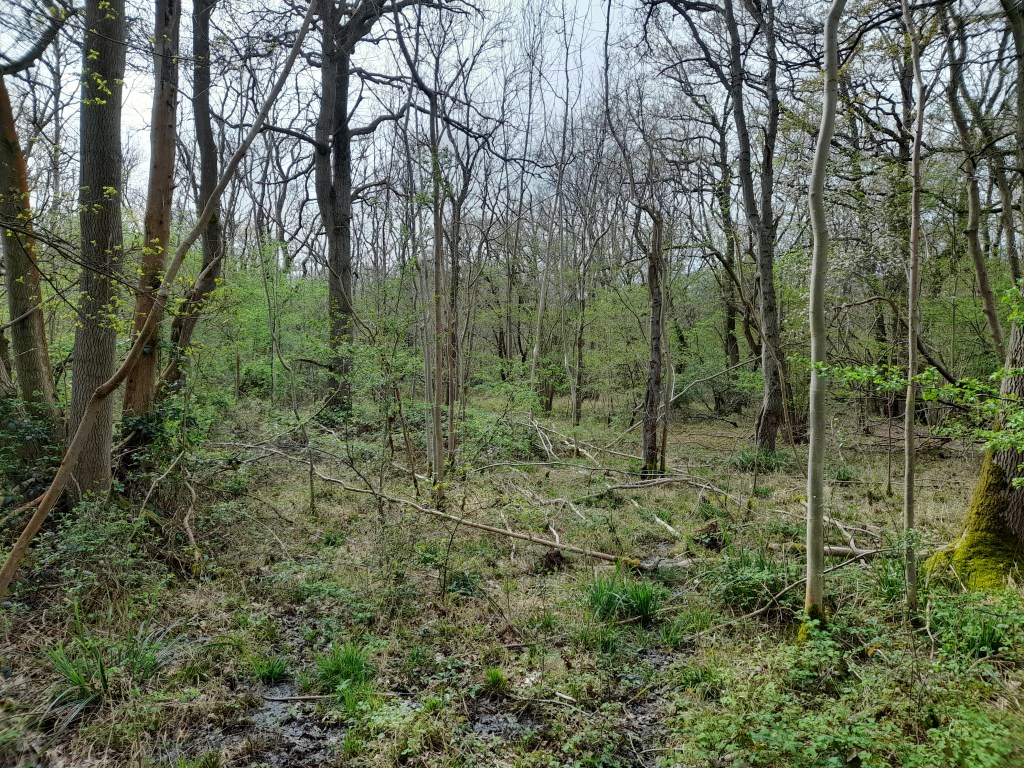
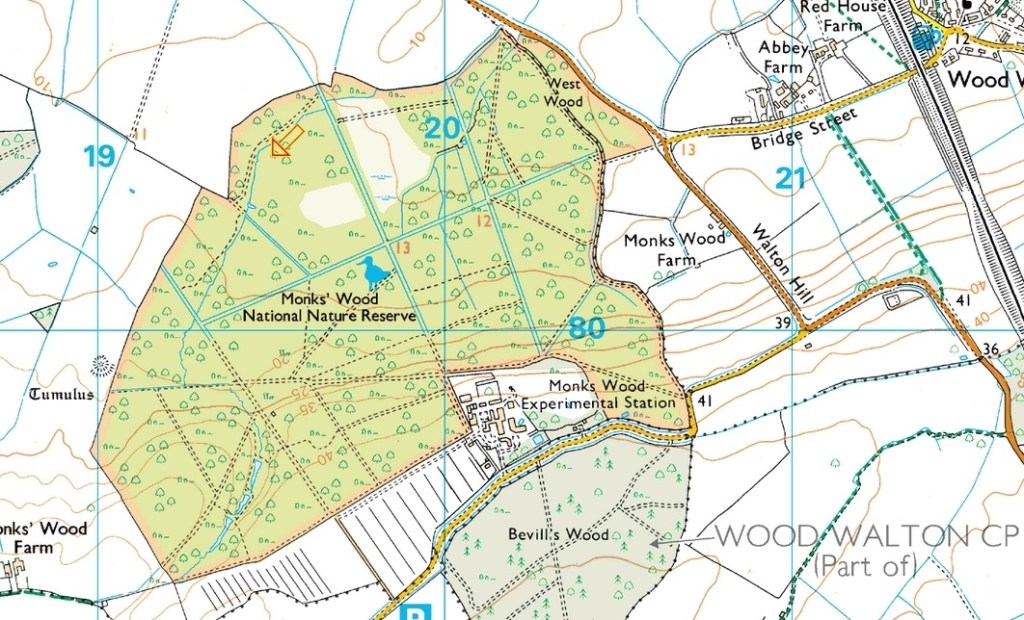
One such enclave is Monks Wood Nature Reserve. In the 1970s, Monks Wood ran along the edge of RAF Alconbury, operated by the US Air Force. The base harboured nuclear weapons and experimental aircraft, so security was tight, but it was at this time that stories spread of a strange beast that breached the perimeter as and when it pleased.
It has gone by various names over the years, including the Beast of Alconbury, the Monks Wood Monster, and the Werewolf of the SAS.1 Most have settled on calling it the Hard Stand Monster, named for the hard stands on which the aeroplanes were parked.
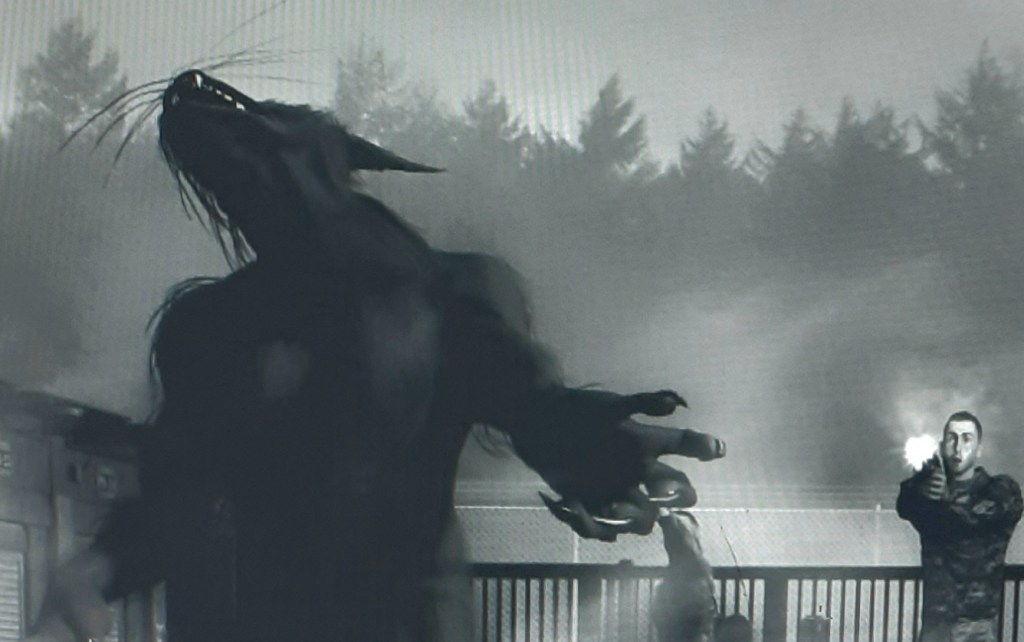
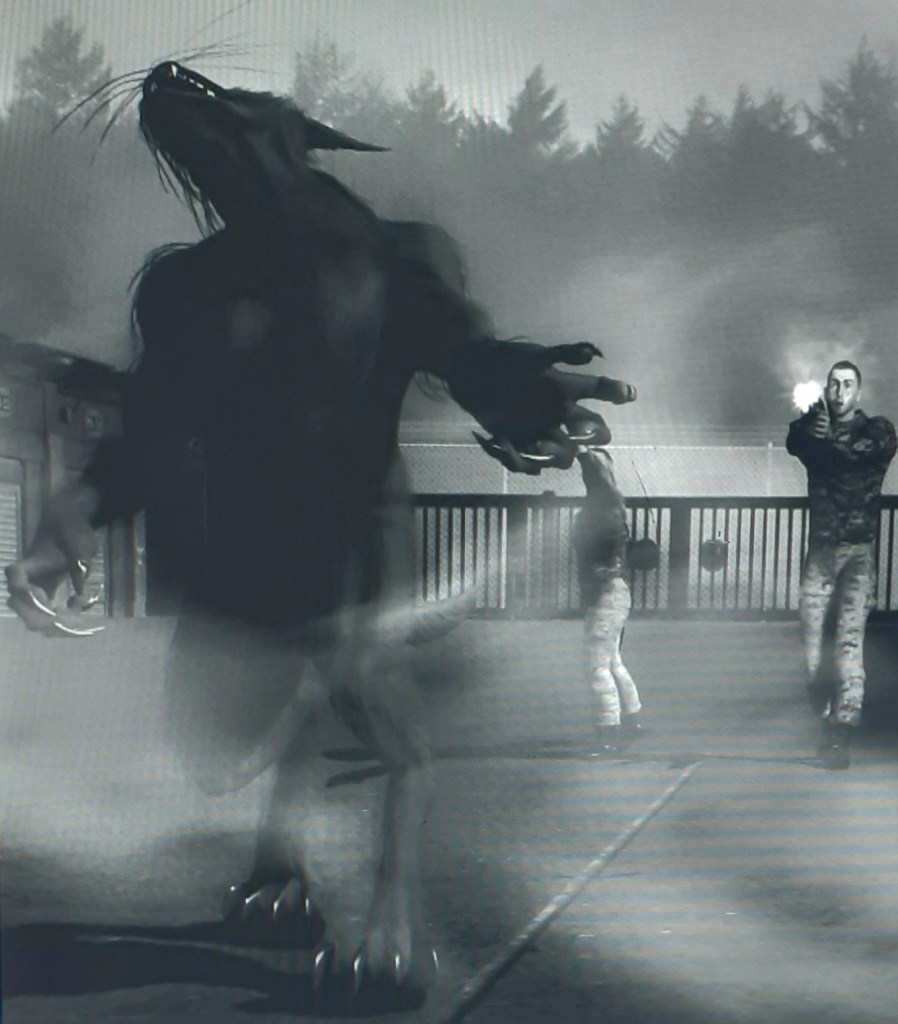
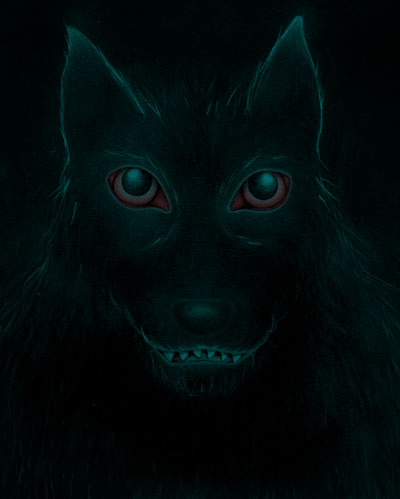
Witnesses describe something like a werewolf or dogman. It stood as tall as a man on its hind legs. Its face had canine features, but with a short snout and glowing red eyes. Its legs resembled those of a dog or a horse, and it was incredibly agile.
At least one airman seems to have fired his weapon at the creature, upon which it leapt over the tall security fences with ease and disappeared into the woods. On one occasion, a man was said to have been found in a plane’s cockpit in the morning, stricken with terror after the monster had slashed away at the canopy.
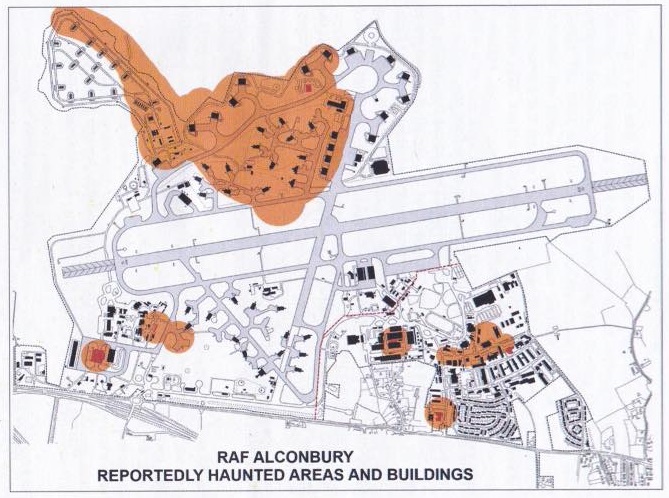
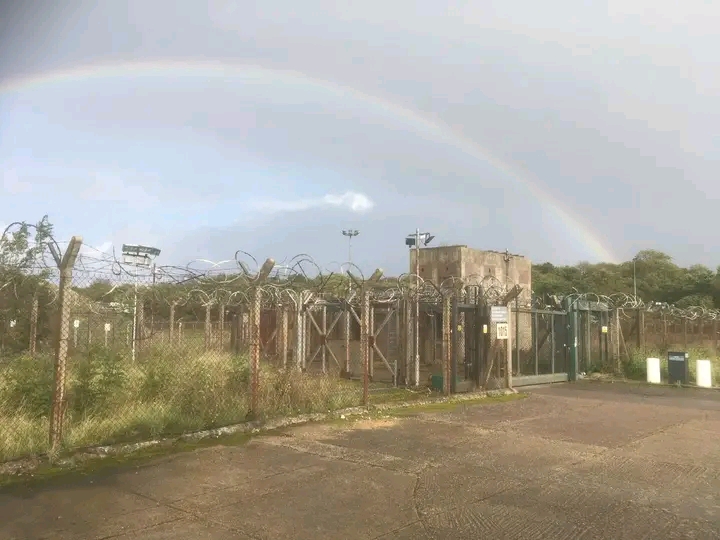
Before we get into our story, we should first talk about the location. Monks Wood and RAF Alconbury fell within the historic county of Huntingdonshire. In 1974, as our story was unfolding, the county became part of Cambridgeshire. In fact, since the airbase was wound down and redeveloped into Alconbury Weald, it has become home to Cambridgeshire County Council’s new headquarters. Vestiges of the old base remain, including the Magic Mountain nuclear bunker and some of the weapons storage area, where our beast was seen.

From 1963 to 2008, Monks Wood was the site of the Monks Wood Research Station, which monitored the local ecology.2 The woods are small (about 157 hectares/390 acres) and are almost completely surrounded by agricultural land. The former research station is now a police training facility.
Monks Wood is about 4 km (2.5 miles) from the town of Huntingdon, with villages like Woodbridge, Alconbury, and Abbots Ripton all within a couple of kilometres. The A1 motorway dominates the area, and at the time of our story the Huntingdon bypass was under construction.3 If a large animal were living in the woods, construction might have been disruptive.
A CLOSE ENCOUNTER WITH THE BEAST
Finding the earliest iterations of the story is difficult, with almost no references to it in print. Most of what we have is decades-old rumour, but we do have at least one witness to an incident that occurred in 1974. Wesley Uptergrove was stationed at Alconbury at the time. His son Marc shared his account with John Hanson and Dawn Holloway for their book series, Haunted Skies:
‘He was the NCOIC [Non-Commissioned Officer in Charge] of a group of three men and their dogs, charged with guarding bunkers, underneath which were stored, I believe, nuclear warheads within a large, fenced area.
‘One foggy night, my father received a radio call: there was an intruder within the perimeter and shots had been fired. He tore out in his truck and sped towards the location of the shooting. Seeing a figure in the fog, he pulled over, thinking it was one of his guards. He rolled down his window and was screamed at, full in the face, by what can only be described as a man-like, bipedal creature. My father nearly wet himself in fear. In an instant, the thing ran off at incredible speed and my father drove after it. Within moments, it had sped past another of the guards, who also fired upon it; he missed due to the fact he was practically dragged backwards by his guard dogs that were yelping and straining to flee in the opposite direction.
‘The third guard and his dogs were running towards the scene when they turned the corner of a bunker, only to be intercepted by the creature running at full speed. As his dogs wailed, the thing hit the taut leashes and pulled them away from his grasp, lacerating a good deal of skin from the unfortunate man’s forearm in the process. My father and these men witnessed this creature [making] fantastic, running bounds across the grounds before leaping over two tall, well-spaced barbed wire fences in a single bound. It disappeared into the surrounding woods.
‘My father’s description of the creature is a little vague, but in his defence, he only saw it briefly and, as he puts it, the whole situation was fast, confusing, and difficult to process. “It was hairy, approximately 5’9” in height, and had intelligent, human-like eyes, a flat nose, and large ears. The teeth were large but not fanged. The lower face was rounded in a way that suggested the look of a walrus. The face was narrow around the eyes, but the head flared out again at the top. It had very muscular, frog-like thighs, with what appeared to be reversed articulated legs like a horse.”’4
The authors also spoke to Dennis Prisbrey, who was stationed at Alconbury between 1973 and 1975:
‘The SAS [Special Ammunition Storage area] was a high security nuclear bomb storage facility, surrounded by a double row of wire fences, with concertina wire coils on top, dating back to the 1950s. Around the perimeter [was] a number of small, elevated guard towers, spaced at intervals, manned by a single guard. In late 1974, a new alarm system was installed, involving the use of motion detectors that would eliminate the need to post guards to these towers. Unfortunately, due to problems and their frequent activation with no visible cause, it was decided to “man up” two of the three towers. A friend of mine, Sgt Baker, Airman First Class [told me] he had heard the voices of children whilst working one of the towers, and it was believed these… were the ghosts of children killed in a railway accident near to the base at the turn of the century.
‘I also heard about an incident involving two mechanics, who were working on an aircraft parked on the North side of the Base, one of whom was so frightened by the appearance of a “strange hairy creature” that he jumped into the cockpit of the aircraft and refused to get out for some time. I took such stories at face value [sic], purely because I never encountered this “leaping man” or spoke to any of the witnesses.
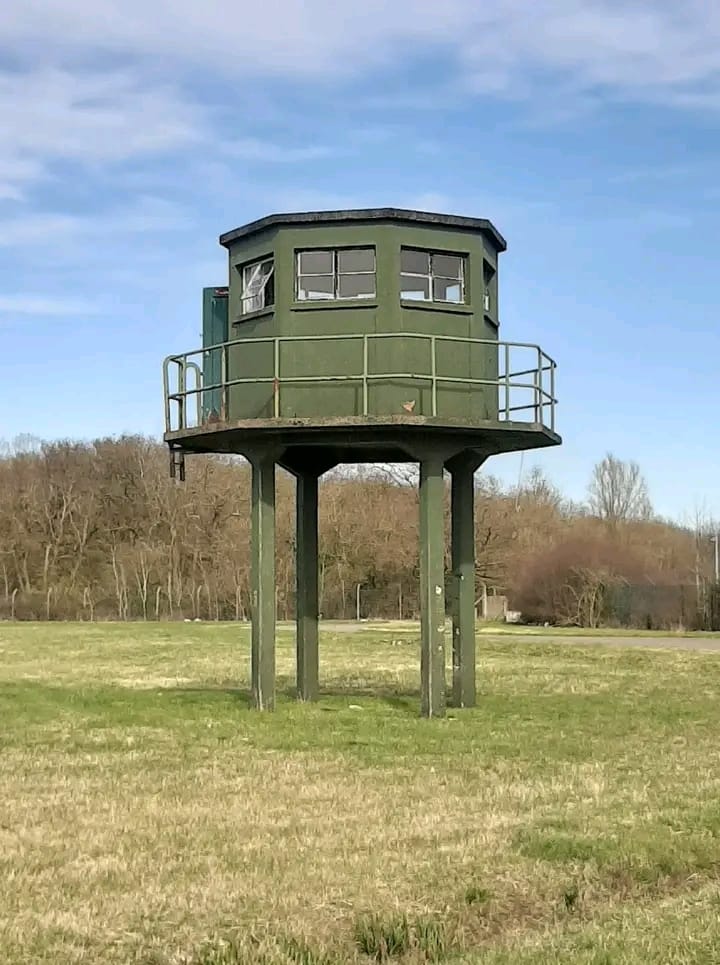
‘My attitude was to change following a conversation with my two regular partners, Sergeants Randi Lee and Jackson, after learning of their involvement in an incident which happened prior to my arrival at the airbase. One night, while on patrol with their two dogs, they saw some movement near the towers and called the Main Gate to check if any workmen were still on site. When told not, they asked for a truck response team to assist with searching the area. As they approached a tower, they came face-to-face with a hairy figure.
‘The dogs stopped in their tracks, absolutely terrified, frantically trying to get away. One of the handlers urged the dog to attack the intruder but was bitten by his own animal – that’s how frightened the dogs were.
‘The truck arrived just in time to see the creature, whatever it was, climbing over the security fence, where it was seen entering North Woods.’5
I spoke to Roy Williams,6 who this time placed the events in 1972:
‘I was on base the night it happened. Three dog squad members were on the midnight shift in the SAS area. One of the names I remember is Peter Areola, and the others I cannot remember. One of the members was a clean-cut young man who was in the barracks room next to mine. He was a preacher’s son from, I think, Philly. He came in from his shift and knocked on my door to awaken me as he had to tell someone of the incident.
‘He stated that the group had gathered together somewhere near the Front Gate office during the late hours of the shift. They noticed a movement toward the middle of [the] area and the dogs alerted. They walked single file toward the dirt-covered unit and came around the corner of the concrete front. The lead dog lunged at the animal standing upright on dog-like legs. He described it as hairy, smelly, with red eyes.
‘The creature ran for the outer double fence. This fence was, as I remember, at least ten feet tall, with coiled razor wire on top. [The] creature cleared the first fence with one leap to the asphalt road in the centre and then made one final leap to the outer clear.
‘They radioed to the shift sergeant, L.C. Garrison. We called him Brick because of his large square head and sharp crew cut. He came into the area but refused to get out of his patrol truck. I believe I heard that a high-level investigation was called for. This was told to me an hour after the event by a person that was panic-stricken as he told the story. There is no doubt in my mind that this was the truth.’7


FIRST CONTACT?
Another story was shared in the comments of an article by Nick Redfern. The commenter went by the name ‘wes,’ but his story differs from that shared by Wesley Uptergrove:
‘I encountered a werewolf ([for lack of a] better description) in England in 1970. I was 20 years old when I was stationed at RAF Alconbury. I was in a secure weapons storage area when I encountered it. It seemed shocked and surprised to [have] been caught off guard and I froze in total fright. I was armed with a .38 and never once considered using it. There was no aggression on its part. I could not comprehend what I was seeing. It is not human. It has a flat snout and large eyes. Its height is approximately 5 ft [152 cm] and weight approximately 200 lb [90 kg]. It is very muscular and thin.8 It wore no clothing and was only moderately hairy. It ran away on its hind legs, scurried over a chain link fence, and ran deep into the dense wooded area adjacent to the base. I was extremely frightened, but the fear developed into a total commitment of trying to contact it again. I was obsessed with it. I was able to see it again a few weeks later at a distance in the wooded area. I watched it for about 30 seconds slowly moving through the woods and I will never forget my good fortune to encounter it… and to know this “creature” truly does live among us.’9
These are the best accounts we have of the Hard Stand Monster. Without any contemporary records, they are difficult to corroborate, but we have at least two people who claim to be firsthand witnesses, and several more who knew them. These secondary sources believe something genuinely happened that night. They recall seeing fear on these men’s faces. They do not think it was a prank.
THE BEAST ATTACKS
The story about the man trapped in the cockpit is much more difficult to substantiate. There are no direct witnesses, no contemporary records, and we do not even know when it was supposed to have happened. Estimates range from the late 1960s to 1981, but most focus on the early 1970s.
The closest we have to a direct account is from an ex-serviceman called Roger, who spoke to John Hanson and Dawn Holloway. He said that ghost stories were common, but he took them with a pinch of salt. That was until he spoke to a close friend who witnessed something so frightening that he refused to speak any further about it:
‘We were carrying out some routine work to an F-5 aircraft, parked on the runway – a job that should have been complete in an hour. When he failed to make the telephone call requesting a lift back from the hangar, a search went out to find him. They found him sitting in the aircraft, as white as a sheet, with the canopy closed. Although I asked him many times what it was that he had seen, he declined, saying that it had frightened him so much he refused to go anywhere near that location again.’10
Hanson and Holloway say that a separate source described this entity as a hairy humanoid.
Another account comes from Annette Short and Paul Bellamy of the Airfield Research Group, an organisation that records the history of the UK’s airbases and has its main archive at Alconbury:
‘The most popular story regarding the Hardstand 70 Monster is of course the dead crewman in the cockpit who died of fright overnight, and all that remained, apart from his terror-stricken corpse, were three claw marks on the canopy… [I]t should be noted there were never any… “deaths by fright in cockpit” recorded by the safety office. [T]his also coincides with very similar stories coming across with personnel recently stationed in Germany, which has a rich oral werewolf lore tradition.’11
They share another version of the story that they find somewhat more plausible:
‘[The crew chief was] working on his aircraft in the dark when he heard snarling and growling coming from the test cell area where the engines were run. This didn’t worry him unduly as there [were] ongoing problems in relations with the farmer who worked out there too, who complained about the noise and pollution to his crops. The noises then became louder and sounded like a grizzly bear, at which point he decided discretion was the best part of valour and… concealed himself within the cockpit of his plane. The noises continued to get very loud… but he could see nothing, not a soul nearby. [Then,] a dark figure jumped onto the wing of the plane and [the crew chief] crouched down into the well of the ejector seat as the thing snarled and scratched the canopy above, till the horn of a jeep broke through and the attack ended as abruptly as it began. His supervisor had security forces check the area out, but nothing was found. [T]he story ends with them finding scratch mark[s] on the fuselage of the plane.’12
Airman Joe Mac is also sceptical. He placed the story in 1973 but classed it as folklore. Here is what he shared with John Knifton:
‘I was stationed at RAF Alconbury as a weapons mechanic… I had limited access to the weapons storage area [WSA] due to my career field 7510th Munition Maintenance Squadron having commanders call in that area and having our munitions building offices in the same area as the WSA. I had unlimited access to the flight line [where the planes were parked and serviced] to work on the planes’ ejection racks. The event with the military personnel in the RF-4C either dying or not dying – losing his sanity and being discharged – and scratch marks on the canopy, I never heard of that happening.
‘I also never heard anything about the werewolf referred to as the Hard Stand Monster being chased by Security Police forces while I was there… I was there at the right time, [with] access to the flight line and WSA, and personally never heard of any of this.’13

I spoke to Jeff Perkins, who heard a later version of the story:
‘I was at Alconbury ’78-81. We called it the Monks Wood Monster.
‘[O]ne of the guys I worked with [said he] dispatched a guy to do a job out on [an] F-5 near Monks Wood. The truck dropped him off at the plane and the guy went to work. Apparently, the other guys working out there at the time didn’t have much to do, so eventually he was the last guy on the ramp. I guess everyone forgot about him and in the morning the guy’s wife called the shop saying he never came home.
‘They sent a line truck out to the F-5 ramp and found the guy sitting in the cockpit with the canopy down. Supposedly, when the expediter got closer to the airplane, there were several deep scratches in the canopy and the guy inside just sat there staring straight. He obviously was traumatised. I think they sent an ambulance out and got him out of the cockpit and took him to the clinic. They tried and tried to get him to talk about what happened, but he refused to say anything about his experience. He just said he would never go out there again unless he had someone with him and it was daytime. He told his supervisor he would accept a court-martial if they ever sent him out there at night again. Apparently, his supervisor accepted what happened to him was so traumatic that they agreed he would not be asked to work on the F-5 ramp by himself again. And never after dark.’14
THINGS THAT GO BUMP IN THE NIGHT
Before we get to possible explanations, we would do well to talk about the ‘spooky’ atmosphere that existed in the WSA. I have spoken to many airmen who were at Alconbury at different times from the 1960s to the 1980s. They recall cold, foggy nights where the men would share ghost stories.
Gerry Boutelier talked about driving around the weapons storage area on a full moon. He never saw anything, but ‘it was creepy as hell.’ According to Bobby Harrison, ‘The only thing I can say is working nights in the 10FMS Electric Shop, I never wanted a call to Hardstand 70.’ Eric Currier was told that ‘it wasn’t good to be out there alone.’15
Lawrence Frappier said it was one of his favourite campfire stories in the early 1970s. Brandino Gibson said that he had fun scaring others with these tales. Paul DeLory says there were rumours of all kinds of things out on the flight line. Douglas DeMarco recalls hearing about ‘a witches meeting place just off base. Rings of trees marked the spot.’
There seems to have been an air of romanticism about being in England. In the words of airman Al Rosado, ‘England is a spooky place and things happen there’:
‘My friend was SP [Security Police]. The day after his encounter, he came to visit a group of us and recounted his story. He said he saw something that scared him to the point he fired his weapon. He didn’t hit anything but caused it to run away. He was not a dog handler, which makes me believe it was a different encounter… I and others believed him because of the look in his eye, and his body was shaking when he told us what had happened… [H]is demeanour was so out of character. He also told us he didn’t care what happened to him, but he wasn’t going out there at night again. I believe he was switched to days. England is a spooky place and things happen there. Strange things happened in the RAF Bentwaters/Woodbridge area as well when I was a dependent there, 70-71.’16
Problems with radio communication seem to have been common. According to James Clark:
‘I remember running a jet on hard stand 70 post phase. Had a comnav [Communications-Navigation] guy in the back. During the run, we had a 10/32 screw go through the MA turbine, the explosion sent the screw into the front cockpit. At the time, I had my feet up on the stick housing because we were chocked and tied down. I keyed the radio declaring a ground emergency. Neither the ground control [nor the] tower ever heard the call. Comnav guy said radio was fine. After I shut down, made a call on the land line next to the hard stand. Neither ever received the radio call.’
Cullen Henson said, ‘[T]he only spooky thing I recall was when the control tower had us chasing radar returns on a dark, foggy runway. [N]ever did find the source. The GCA [Ground-Controlled Approach] hut was calibrating their radar and were picking up a large object on the runway, said we should see something because the return was bigger than our truck. Needless to say, that comment sent us back to our well-lit and warm TA [Transient Alert] shack.’
David Graham dismissed the Hard Stand Monster as nothing but a ghost story, saying, ‘It was pretty spooky out there when the light units went off or we had no light.’ Doug Thomas echoes this: ‘It [was] spooky out there at night. I think I actually heard it to be a ghost instead of a monster.’
Randall Wilson worked as a crew chief in 1973 and 1974: ‘I worked quite a few nights out there when we were on alert. We all shared stories while hanging out in the expediter about the Hard Stand 70 monster. There was also an old dead tree on the perimeter that was known as the hanging tree. On foggy nights, that place was spooky as hell.’

Tom Delia worked at Alconbury from 1969 to 1972, sometimes doing 16-hour shifts. His story resembles that of the Hard Stand Monster with some notable differences:
‘The WSA, in addition to being a double fenced-in area with watch towers, was patrolled by K-9. One snowy December night, I got a hotline call from the Security Police at the ECP [Entry Control Point], asking me to look out the window towards the Storage & Handling/Line Delivery building across the road. Through the blowing snow, I could see a figure run to the back of the building towards the inner fence. I immediately called the lone line delivery driver on duty, SSgt. Jim LuMaye, to confirm it was not him. The SPs sent a K-9 patrol to investigate. There were definitely footprints in the snow leading towards the fence, where they abruptly ended. Both the SPs and I made entries in the duty logbook annotating what transpired. During shift change the next morning, I explained the incident to my boss, TSgt. Joe Barteck. My shift completed, I caught the base shuttle bus to the Chow Hall for breakfast and then back to the barracks for a hot shower and bed. About three hours later, there was a knock at my door. It was Joe and two OSI [Office of Special Investigations] agents who asked me to recount what happened the night before. After telling them, they left and I went back to sleep. After my two and a half-day break, I returned to my next shift. Upon arrival, Joe showed me photographs of the footprints the OSI had taken. The shoe prints were identified as imprints from WWII-era combat boots, last issued [in] the late forties! Moreover, there were no footprints between the fences nor on the other side of the outer fence!
‘There was also another incident concerning an unmanned tower spotlight turning on by itself and following a line delivery driver as he drove a truck full of photo flash flares along the “hot row” road (where the igloos that housed nuclear weapons were located) and then switching itself off. Civil engineering electricians inspected the spotlight the next day and found no abnormalities! I later learned that the WSA was originally a POW camp during WWII.
‘The Alconbury Beast, aka The Shuck. Could this be what left footprints in the snow inside the security fence in the WSA one night in 1970?’
Wesley Uptergrove, whose account we shared at the start, had a pre-existing interest in the paranormal. After hearing ghostly voices on the base, he did some research and tied them to a train crash at Abbots Ripton in 1876.17 Dennis Prisbrey tells a similar story and attributes it to a Sgt Baker.18 Uptergrove also said he saw a ‘floating apparition’ on the same night as the Hard Stand Monster but gives no further details.19
The airmen might also have been under an unusual amount of stress. In 1974, local airbases were on high alert due to the IRA, bringing in extra security checks, alarm systems, and guard dogs.20 In August of that year, Alconbury’s open day was cancelled due to bomb threats.21 There were also stories about thieves trespassing on airbases.22
The US Air Force is still tight-lipped about what was happening at this time. Referencing the cockpit story, Ken Neitzel said that a safety investigation found it was likely explained by a birdstrike on the plane, shock leading the pilot to imagine the beast.23 No record of an internal investigation seems to exist. I made a Freedom of Information Act (FOIA) request, asking if the Air Force had any reports of intruders, stray animals, or damaged aircraft, but they were less than forthcoming. There were newspaper reports of birds flying into the engines of Phantom jets at Alconbury as early as 1968,24 but the Air Force pleads ignorance.
WEREWOLVES AND GHOST DOGS
East Anglia is no stranger to canine cryptids. It is home to Black Shuck, the ghostly dog that inspired The Hound of the Baskervilles and is said to mean death for whoever sees it. The earliest record of Black Shuck would seem to be from the Peterborough Chronicle, written by monks at Peterborough Abbey in the 12th century, not far from where our sightings took place:
‘[M]any men both saw and heard a great number of huntsmen hunting. The huntsmen were black, huge, and hideous, and rode on black horses and on black he-goats, and their hounds were jet black with eyes like saucers and horrible. This was seen in the very deer park of the town of Peterborough and in all the woods that stretch from that same town to Stamford, and in the night the monks heard them sounding and winding their horns. Reliable witnesses who kept watch in the night declared that there might well have been as many as twenty or thirty of them winding their horns as near they could tell.’25
Black Shuck has continued to be reported in recent times. Joan Forman records a case from Cambridge. A husband and wife were driving along Arbury Road when a black, wolf-like animal leapt over the bonnet of their car with great agility. They stopped and tried to find the creature in an allotment but found nothing. If Black Shuck is associated with impending doom, the couple were no exception. The husband passed away soon after.26
Both Black Shuck and the Hard Stand Monster are said to have glowing red eyes. Eyeshine is not unusual among mammals owing to the tapetum lucidum, a reflective layer behind the retina which enhances night vision. The eyes of dogs, foxes, and deer tend to reflect a green colour. Wolves’ eyes reflect light orange or pink. Humans lack the tapetum lucidum altogether.
RAF Alconbury has its own legend about a ghostly black dog. An old farmhouse, demolished in the 1950s, was said to have been home to a duke and his faithful dog. When the duke died, the dog refused to leave his side and had to be shot before it would allow anyone to remove his body. Thereafter, the dog was said to haunt the officers’ mess and was even blamed for the death of an American GI in 1943.27
This part of the country also has its own werewolf traditions, some of them surprisingly recent. Christopher Marlowe relates a story from the late 19th century. A woman in Crowland, just over the county line in Lincolnshire, was said to have been attacked after staying out too late.
A young widow had moved in with a farmer and his wife to work for them. She did strange things like refusing cooked meat, instead sneaking morsels of raw flesh, but this was dismissed as an idiosyncrasy. Another young woman came to stay, this one an artist. She stayed out late one evening, sketching local landmarks. She encountered the widow and they agreed to walk back to the farm together. After a while, the widow stopped on the track and would move no further. The artist looked away, looked back, and the woman was gone. In her place was a wolf, which bolted after her. She only managed to escape by shining a torch in its eyes. When she got back, the widow was still at the farmhouse, having never left, but she had been mysteriously blinded.28
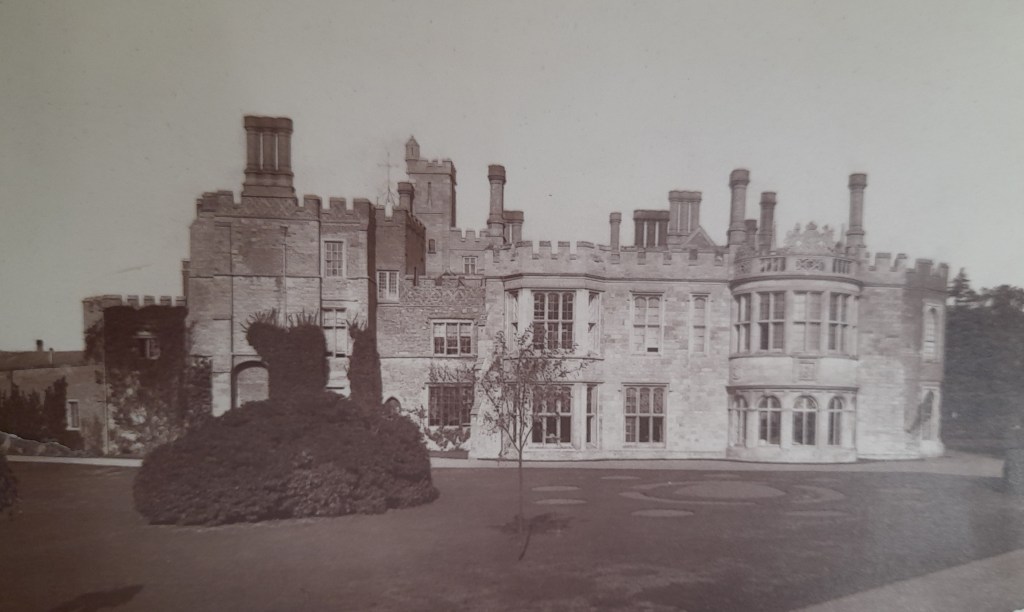
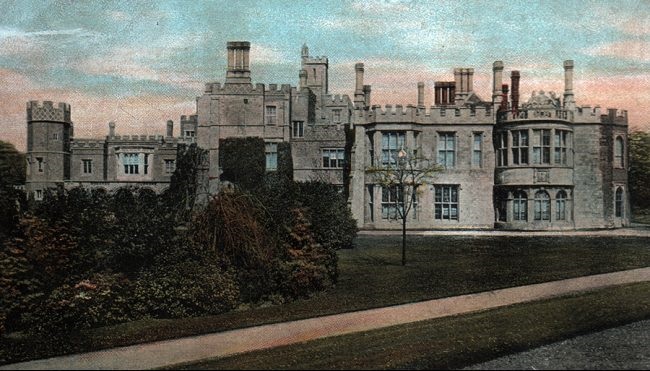
An even more recent story links a werewolf to Monks Wood itself. In the 1890s, Edward Montagu, the 8th Earl of Sandwich, had a new wing built at Hinchingbrooke House, but this was demolished in 1947. Legend has it that the 9th Earl, George Montagu, believed the west wing to be inhabited by a werewolf and thus sought to rid himself of it. The werewolf then fled to Monks Wood.29
This story seems to have been restricted to oral tradition. I contacted John Montagu, the 11th Earl of Sandwich, who consulted his family, but they were unable to add anything beyond the suggestion that a dog had become trapped in that part of the house by mistake. It was certainly in a state of disrepair at that point, which hints at a much better explanation for the demolition.
As a tantalising addendum, I found the following passage in a book called Houseful at Hinchingbrooke, a collection of reminiscences written by W. Mary Stuart and published in 1979. Perhaps it provided the kernel for the story:
‘It was an eerie job guarding the huge, empty house at night. He knew all about the ghosts too and warded them off with spirits of a warmer kind.
‘“What on earth’s that?” I sat up suddenly in bed. There was an anguished howling directly under the window followed by a hammering on the cottage door.
‘“A werewolf, I should think”, said Charles and flung open the bedroom window.’30
In this case, it was the caretaker who had seen one of Hinchingbrooke’s infamous ghosts.

A LION IN THE STAND
Aside from supernatural dogs and werewolves, we must consider another perennial favourite – the Alien Big Cat (ABC). One of the airmen specifically tied them to this case. According to A.G. Well, ‘I heard there was a crazy, old, retired colonel called Andrew Firestein who released his exotic cat into Monks Wood when the law for dangerous animals changed.’31
This would refer to the Dangerous Wild Animals Act of 1976. This came into force after our encounters are thought to have happened, but the sightings did coincide with the boom in exotic pets that led to the law. Someone could have abandoned their pet once it became difficult to look after.
Mr Well ties this to the cockpit story: ‘After depleting the animal population around the base, the cat made its way onto base and scared a maintainer so bad he locked himself into a jet and soiled himself while the cat tried to pry off the canopy. Eventually, the cat gave up and left, the maintainer was found trapped the next morning, and when they opened the canopy, it smelled of death, but he was actually still alive albeit embarrassed.’
Cambridgeshire has its own celebrity ABC in the form of the Fen Tiger, seen in various parts of the county over the decades. It was named more for the 17th-century rebel group than for its appearance, which is closer to that of a leopard or puma. Other names for it include the Beast of Bretton, Beast of Castor, and Beast of St. Neots.
According to Daniel Codd, the earliest ABC reports in Cambridgeshire were in the 1950s, but the first credible sighting was at Cottenham, near Cambridge, in 1982. He also cites William Rooker’s 1994 video of an animal stalking through a field between Cottenham and Westwick, which the British Big Cat Society called ‘the best evidence for a panther-like creature anywhere in the UK.’32

Sightings have continued more recently in places like Wisbech, Manea, and Turves, while prints matching those of a big cat have been found in Chatteris. In 2004, Vernon Whiterod spotted something like an ocelot between Histon and Waterbeach, which happens to be very close to the site of the Black Shuck sighting in Cambridge.33
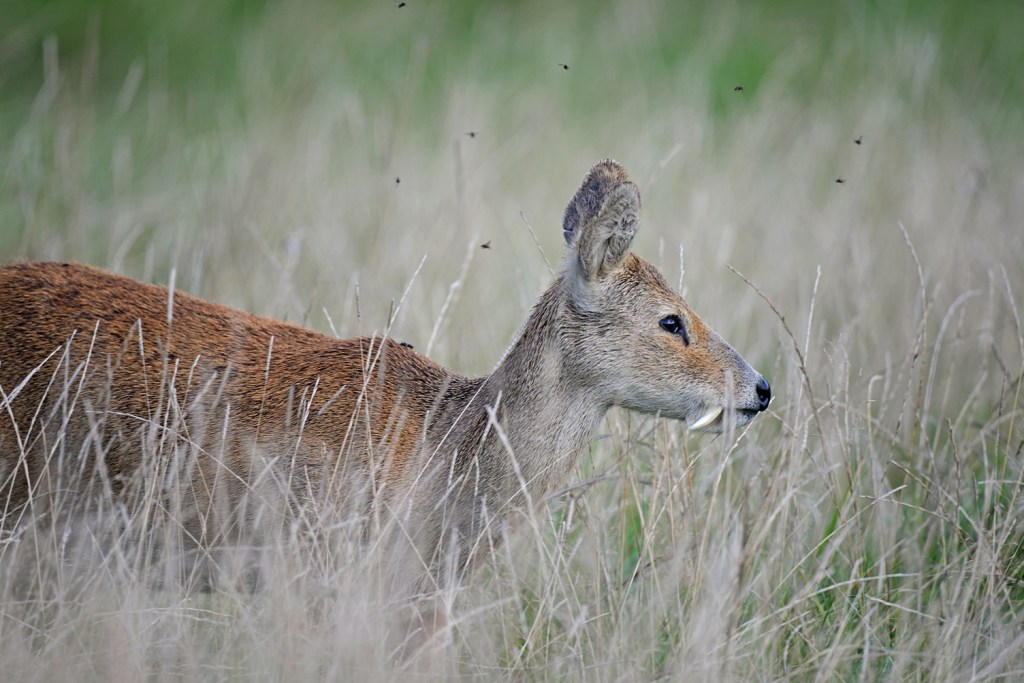
In 1977, Monks Wood had another brush with an apparent big cat. A motorist reported seeing a lion at the edge of the trees between Monks Wood and Bevills Wood. Police marksmen were sent to the scene, but what they found was very different. In the meantime, another motorist had struck a Chinese water deer, which had to be put down. Its carcass ended up in a butcher’s shop window in Alconbury Weston.34
Chinese water deer are often confused with muntjacs, but they also have similar colouration to lions. The bucks do not have antlers but instead long tusks for fighting. If one of them were seen moving through long grass, one could be forgiven for the confusion.
The idea of the Hard Stand Monster being a small deer is something of a stretch, but naturalist Marc Baldwin notes that on rare occasions they can be affected by melanism and so may appear black.35 Their alarm bark, more like a scream, could be unnerving if heard in the woods at night.36

If the Hard Stand Monster were a supernatural entity, like a werewolf or Black Shuck, I am not qualified to judge. If it were a big cat, it would explain how it was able to vault the fences, but it would not explain why it was described as bipedal and left no physical traces save for the supposed scratch marks. If it were an escaped wolf37 or stray dog, we would have the same problems.
Monks Wood Research Station was home to around 100 ecologists in the 1970s, monitoring the flora and fauna of the area. They had every kind of specialist that might be needed at such a location, including some who studied mammals. They recall no mysterious droppings, tracks, or carcasses.38 The idea of a large, mysterious animal living in these woods undetected seems rather far-fetched.
OTHER EXPLANATIONS
So, what are the other possibilities? Our first suspect would have to be the most mundane – a human being. There could have been an intruder on the base, or one of the airmen could have played a prank that went too far. Someone who was sleep-deprived and experiencing stress could have misinterpreted a normal-looking person, or the person might have been wearing a mask. If it were a prankster, and it got to the point of a weapon being discharged, it is easy to imagine them not wanting to come forward.
The idea of a masked person brings to mind another sighting that took place in the area, a minotaur traversing a field between Offord and Gravely.39 I await more details about this unusual case – it could warrant an article of its own – but that would make two sightings of humanoid creatures with the heads of other animals. Our creature and the minotaur would both have had short snouts, and the difference between long ears and horns might not be immediately apparent. Perhaps the two creatures were one and the same. Perhaps they were both hoaxes. Oddly enough, a masked theatre workshop was held at nearby Grafham Water in 1974,40 but it might be a stretch to connect all three.
If the culprit were human, we would still have to explain how they could scale tall fences in a single bound. Even if this is an exaggeration, climbing a chain-link fence would still be difficult for most people. It is possible that the whole story is a hoax and that none of the witnesses are telling the truth, but that would involve them keeping up the act for 50 years.
Brad Barker did some research of his own, speaking to locals who he said also witnessed a creature. One of his suggestions is that it might have been an escaped kangaroo. This would explain how it leapt over tall fences, but there are no other reports of a kangaroo, and it scarcely fits the description.41
The explanation Barker favours is even more exotic. He suggests that it was some kind of supernatural shapeshifting entity, perhaps like a Native American skinwalker. A skinwalker would certainly be able to evade detection for a prolonged period, but we would again have no way of verifying this.
My aim has not been to find a definitive explanation for the Hard Stand Monster. I doubt that such an explanation exists. What I have aimed to do is collate all of the available evidence so that people can judge for themselves. Perhaps someone will continue the research and find new material. I look forward to seeing whatever else they might find.

Many thanks to those who helped with my research, including Marc Baldwin, Richard Broughton, Arnold Cooke, Mark Egerton, John Hanson, Sarah Hapgood, Glen Vaudrey, and the people at the Huntingdonshire Archives.
- In this case, SAS stands for Special Ammunition Storage area. ↩︎
- To learn more about Monks Wood Research Station: John Sheail, Nature Conservation in Britain: The Formative Years (1998, The Stationery Office); R.C. Steele and R.C. Welch (eds.), Monks Wood: A Nature Reserve Record (1973, The Nature Conservancy); Maurice E. Massey and R. Colin Welch (eds.), Proceedings of a Symposium on Monks Wood National Nature Reserve: The Experience of 40 Years, 1953-93 (1993, Institute of Terrestrial Ecology) [available here: https://nora.nerc.ac.uk/id/eprint/7912/]; https://www.monks-wood.org.uk/index.html ↩︎
- Gordon Brown, ‘How the by-pass is taking shape’, Hunts Post, 16th May 1974, p. 8 ↩︎
- John Hanson and Dawn Holloway, Haunted Skies: The Encyclopaedia of British UFOs, Volume Five: 1972-1974 (2012, Fortean Words), p. 148 ↩︎
- Ibid., p. 147-148 ↩︎
- Williams also spoke to Mark Egerton, whose book The Haunted History of Huntingdonshire (2017, 3P Publishing) covers the Hard Stand Monster and many other stories. ↩︎
- Personal communication ↩︎
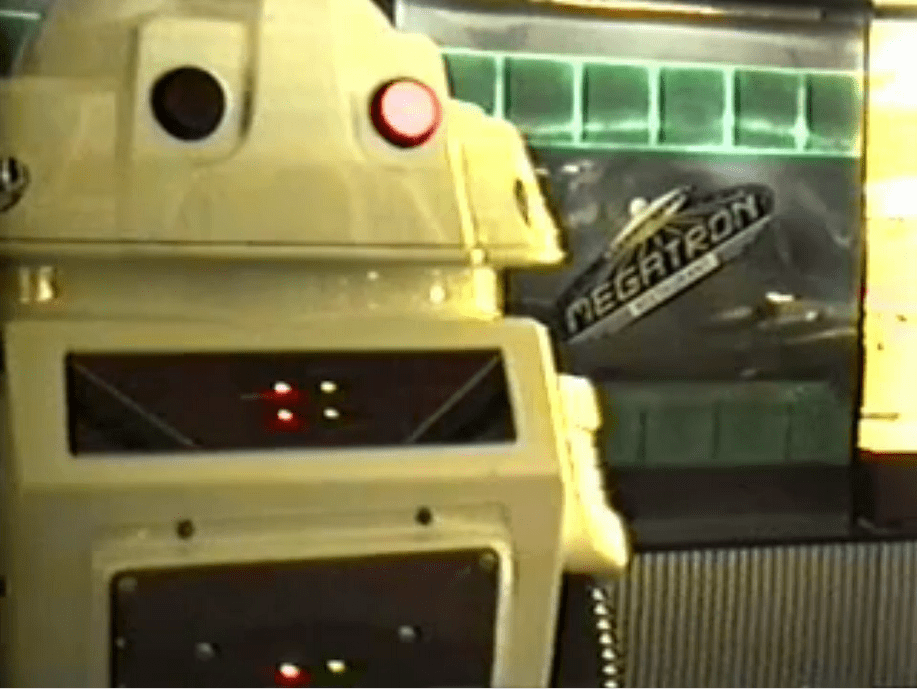
- I included this account in an article about the Megatron flying saucer restaurant at Alconbury. A reader pointed out that a person five feet tall and weighing 200 lb would not be especially thin, which I will grant, but we are dealing with rough estimates. Tony Conn, ‘The Restaurant at the End of the Universe: The Megatron Story’, Fortean Times 441, February 2024, p. 30-37; letter from Chris Dean, Fortean Times 443, April 2024, p. 63 ↩︎
- Nick Redfern, ‘Do Werewolves Roam the Woods of England?’, There’s Something in the Woods, 17th May 2007, http://monsterusa.blogspot.com/2007/05/do-werewolves-roam-woods-of-england.html; see also: Nick Redfern, ‘Wolfmen and Warfare’, Mysterious Universe, 7th February 2013, https://mysteriousuniverse.org/2013/02/wolfmen-and-warfare/ ↩︎
- Hanson and Holloway, p. 146-147 ↩︎
- Annette Short and Paul Bellamy, Ghosts of RAF Alconbury (date unknown, Airfield Research Group), p. 5-6 ↩︎
- Ibid. ↩︎
- John Knifton, ‘A Werewolf in Cambridgeshire. Run away!!’, 1st July 2015, https://johnknifton.com/2015/07/01/a-werewolf-in-cambridgeshire-run-away/ ↩︎
- Personal communication ↩︎
- Personal communications ↩︎
- Many readers will be aware of Bentwaters’ involvement in some prominent UFO cases. In 1956, anomalous radar readings accompanied lights in the sky, as recorded by Project Blue Book and the Condon Committee report. The Rendlesham incident also took place just outside Bentwaters in 1980. ↩︎
- Hanson and Holloway, p. 145-146 ↩︎
- Ibid., p.147 ↩︎
- Ibid., p.148 ↩︎
- Ian Miller, ‘Wyton adds bite to its security’, Hunts Post, 28th November 1974, p. 1 ↩︎
- ‘Bomb scare stops open day’, Hunts Post, 1st August 1974, p. 1 ↩︎
- ‘Stole from RAF stores’, Hunts Post, 10th October 1974, p. 10 ↩︎
- Personal communication ↩︎
- ‘Bird hazard’, Aberdeen Press and Journal, 8th March 1968, p. 4 ↩︎
- Simon Sherwood, ‘Apparitions of Black Dogs’, October 2008, https://web.archive.org/web/20090323040252/http://nli.northampton.ac.uk/ass/psych-staff/sjs/blackdog.htm ↩︎
- Joan Forman, Haunted East Anglia (1974, Robert Hale), p. 120-121 ↩︎
- Short and Bellamy, p. 4 ↩︎
- Christopher Marlowe, Legends of the Fenland People (1926, republished 1976, EP Publishing), p. 230-235 ↩︎
- The earliest reference to this story seems to be from an old version of the Hinchingbrooke House website from 2007. Here is the text in its entirety: ‘1947: The west wing extension was demolished. The 9th Earl thought it was inhabited by a werewolf!’, https://web.archive.org/web/20071010174809/http://www.hinchhouse.org.uk/tour/ws10.html ↩︎
- W. Mary Stuart, Houseful at Hinchingbrooke (1979, The Grasshopper Press), p. 78 ↩︎
- Personal communication ↩︎
- Daniel Codd, Mysterious Cambridgeshire (2010, The Derby Books Publishing Company), p. 144-146 ↩︎
- Chris Osborne, ‘On the tail of the tiger’, BBC Cambridgeshire, 3rd April 2008, https://www.bbc.co.uk/cambridgeshire/content/articles/2008/04/02/big_cat_history_feature.shtml; Tim Relf, ‘The Great Big Cat Hunt’, Farmers Weekly, 23rd October 2008, https://www.fwi.co.uk/livestock/beef/the-great-big-cat-hunt; Joanna Taylor, ‘Walker videos “big cat” prowling through Cambridgeshire countryside after flurry of other sightings’, Cambridgeshire Live, 12th August 2022, https://www.cambridge-news.co.uk/news/local-news/big-cat-sightings-huntingdon-burwell-24739398 ↩︎
- D.J. Jefferies and H.R. Arnold, ‘Mammal Report for 1977’, Huntingdonshire Fauna and Flora Society 30th Annual Report for 1977 (1978),p. 54-57 [available here: http://hffs.genesis-ws.co.uk/index.php/publications/annual-reports]; Arnold Cooke and Lynne Farrell, Chinese Water Deer (1998, The Mammal Society/The British Deer Society), p. 5; Duff Hart-Davis, ‘Outdoors: The deer that was mistaken for a lion’, Independent, 3rd April 1998, https://www.independent.co.uk/news/education/education-news/outdoors-the-deer-that-was-mistaken-for-a-lion-1154319.html; Marc Baldwin, ‘Water Deer – Appearance’, Wildlife Online, 2021, https://www.wildlifeonline.me.uk/animals/article/water-deer-appearance ↩︎
- Personal communication ↩︎
- Video: ‘Water deer barking’, Wildlife Online, 10th July 2017, https://youtu.be/DSTNzAYkaas ↩︎
- Or a maned wolf: ‘Wolf escapes after fences cut at Cambridgeshire animal park’, BBC News, 27th October 2021, https://www.bbc.co.uk/news/uk-england-cambridgeshire-59065449 ↩︎
- Personal communication with Arnold Cooke ↩︎
- Personal communication with Mark Smith ↩︎
- ‘Monster masks at Grafham’, Hunts Post, 22nd August 1974, p. 10 ↩︎
- Personal communication ↩︎



 Eccentric Orbits: Collected Writing from Tony Conn
Leave a comment